Emergency Water Damage Restoration in Edmond, OK
If you have standing water, active leaks, ceiling dripping, wet flooring or a soaked wall, treat it like an emergency. Fast extraction, moisture detection and controlled structural drying can reduce how far the damage spreads.
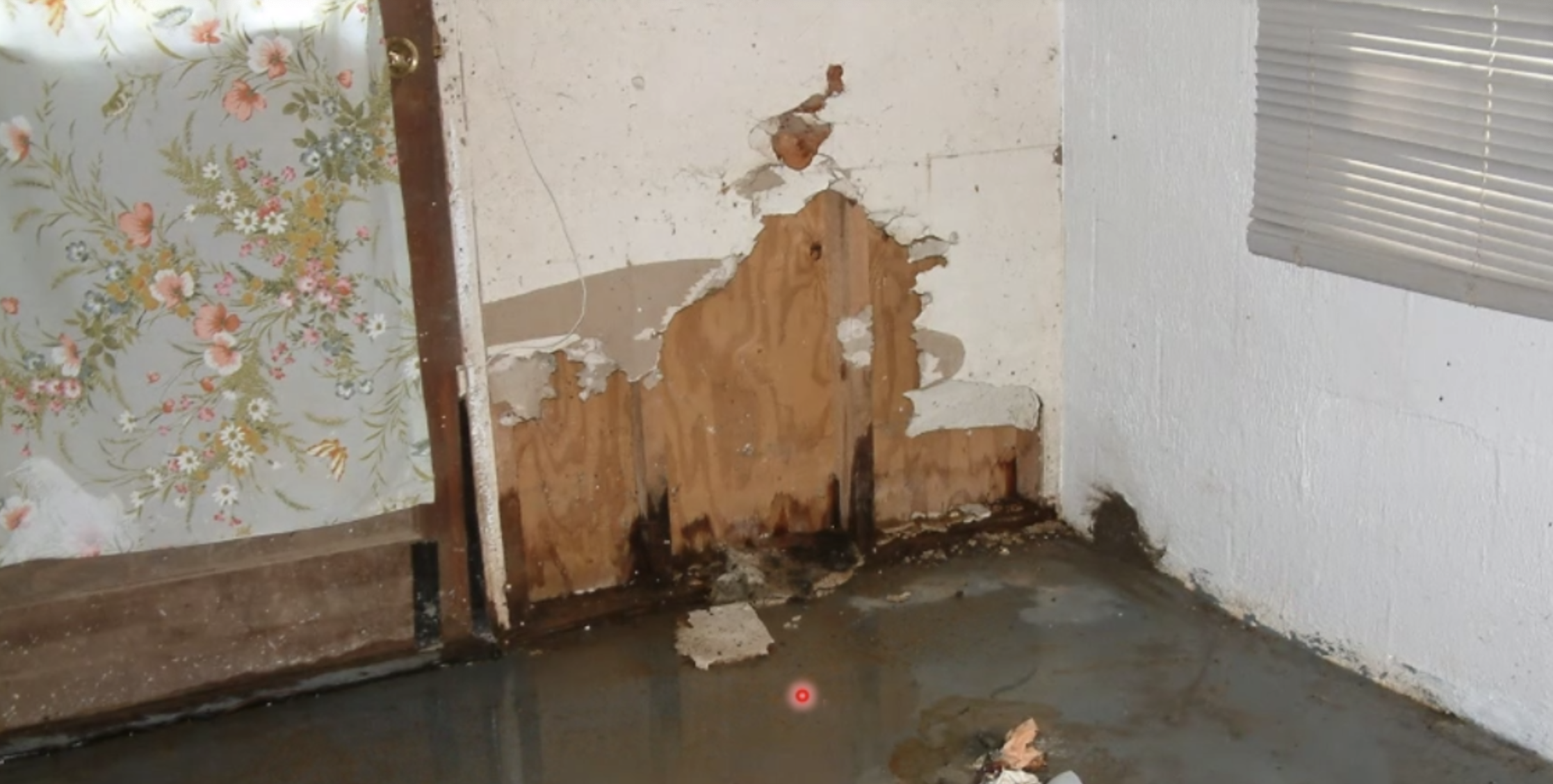
The First Hour Checklist for Water Damage in Edmond
If it is safe, stop the source and protect people from electrical hazards. Then begin extraction before water moves deeper into floors, walls and cabinets.
Stop the Water Source
Shut off the failed fixture, appliance or main water supply if it is safe to do so.
Stay Clear of Electrical Hazards
Do not step into standing water near outlets, lights, appliances or a breaker panel.
Move Small Valuables
Move items off the floor only if you can do it safely and without entering hazardous water.
Do Not Trust Surface Dryness
Water can remain under flooring and inside wall cavities after the surface looks dry.
Start Extraction and Drying
Fast water removal followed by controlled drying helps limit spread and secondary damage.
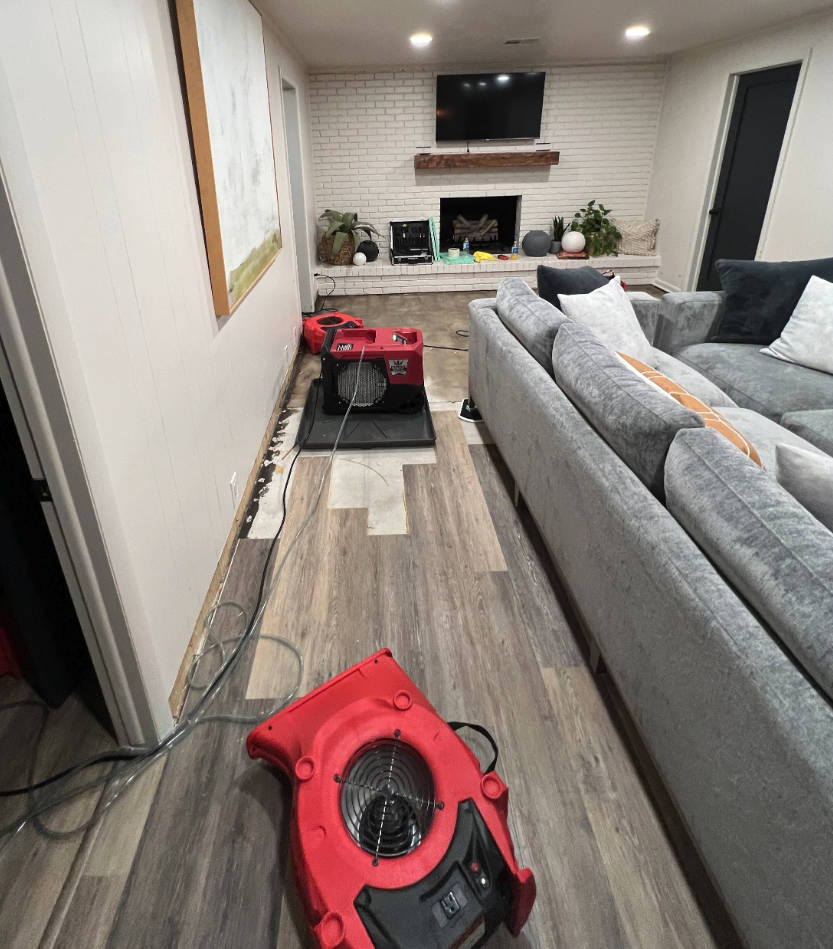
Emergency Water Extraction, Drying and Moisture Control
Extraction comes first. Then drying equipment and dehumidification are set to match the materials, the amount of moisture and the affected zones.
Stabilize
Identify the source, protect occupants and define the visible loss area.
Extract
Remove standing and recoverable water from floors, carpet and affected areas.
Dry
Use targeted airflow and dehumidification based on the materials involved.
Verify
Monitor moisture conditions and adjust the drying plan until targets are met.
Why Emergency Water Damage in Edmond Cannot Wait
Water begins soaking into porous materials immediately. The longer it sits, the farther it can migrate into concealed spaces and the more materials may be affected.
What “Emergency” Usually Looks Like
- Standing water in a room, hallway or garage transition
- Active dripping from ceilings or saturated drywall
- Overflow from a toilet, tub, washer or dishwasher
- Wet hardwood, laminate, carpet or soft subfloor areas
- Musty odor after a recent water event
What Fast Professional Response Helps Prevent
- Water spread into insulation, wall cavities and base plates
- Warped floors, swollen drywall and cabinet delamination
- Lingering odor from trapped moisture
- Larger repair scope caused by continued migration
- Guesswork about whether the structure is actually dry
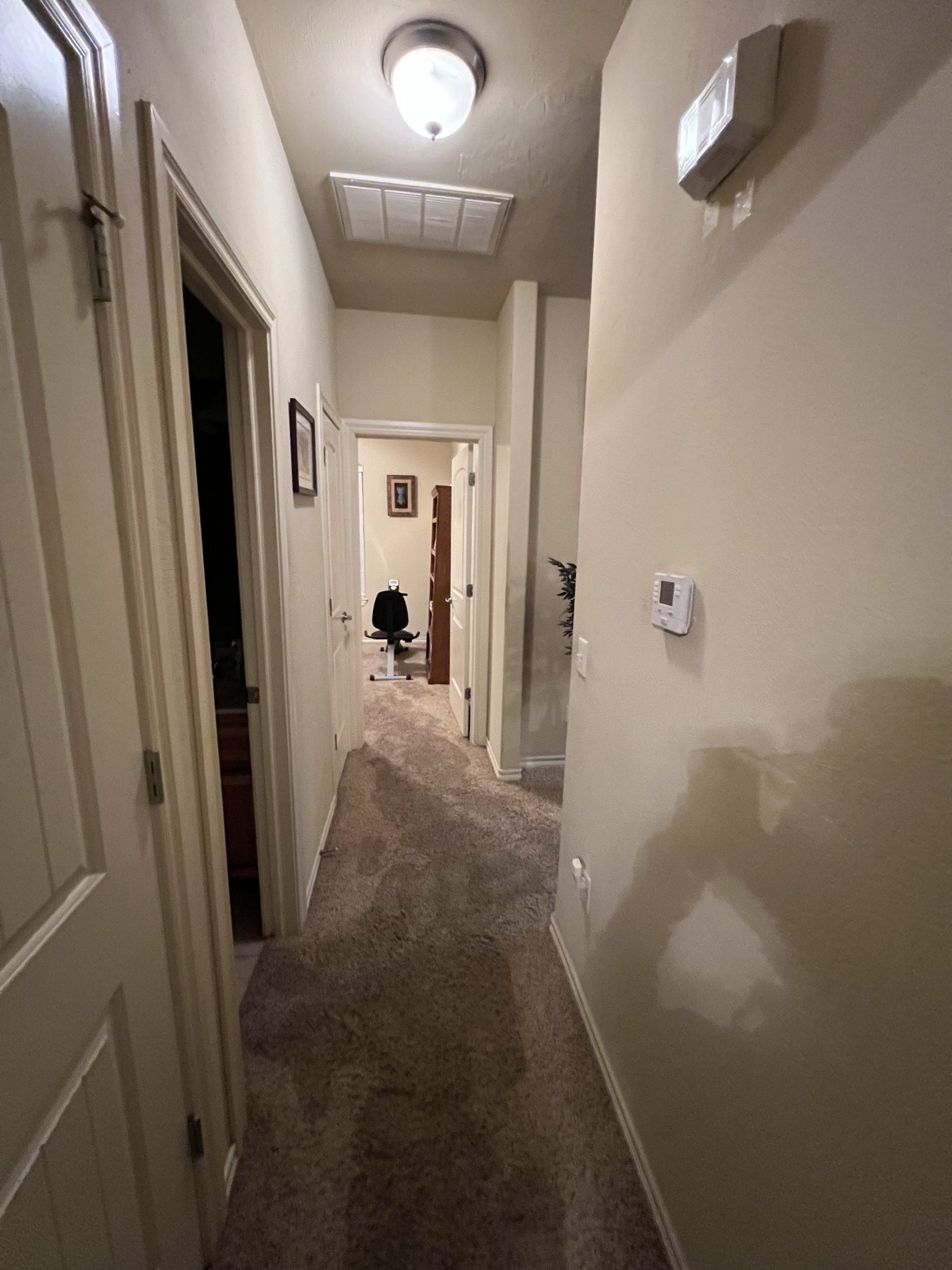
Common Edmond Water Damage Emergencies
These pages go deeper on where the water may travel, what to do first and what needs to be dried and verified.
Frozen Pipe Burst
Broken lines can soak walls, insulation and floors quickly.
Frozen pipe burst cleanup →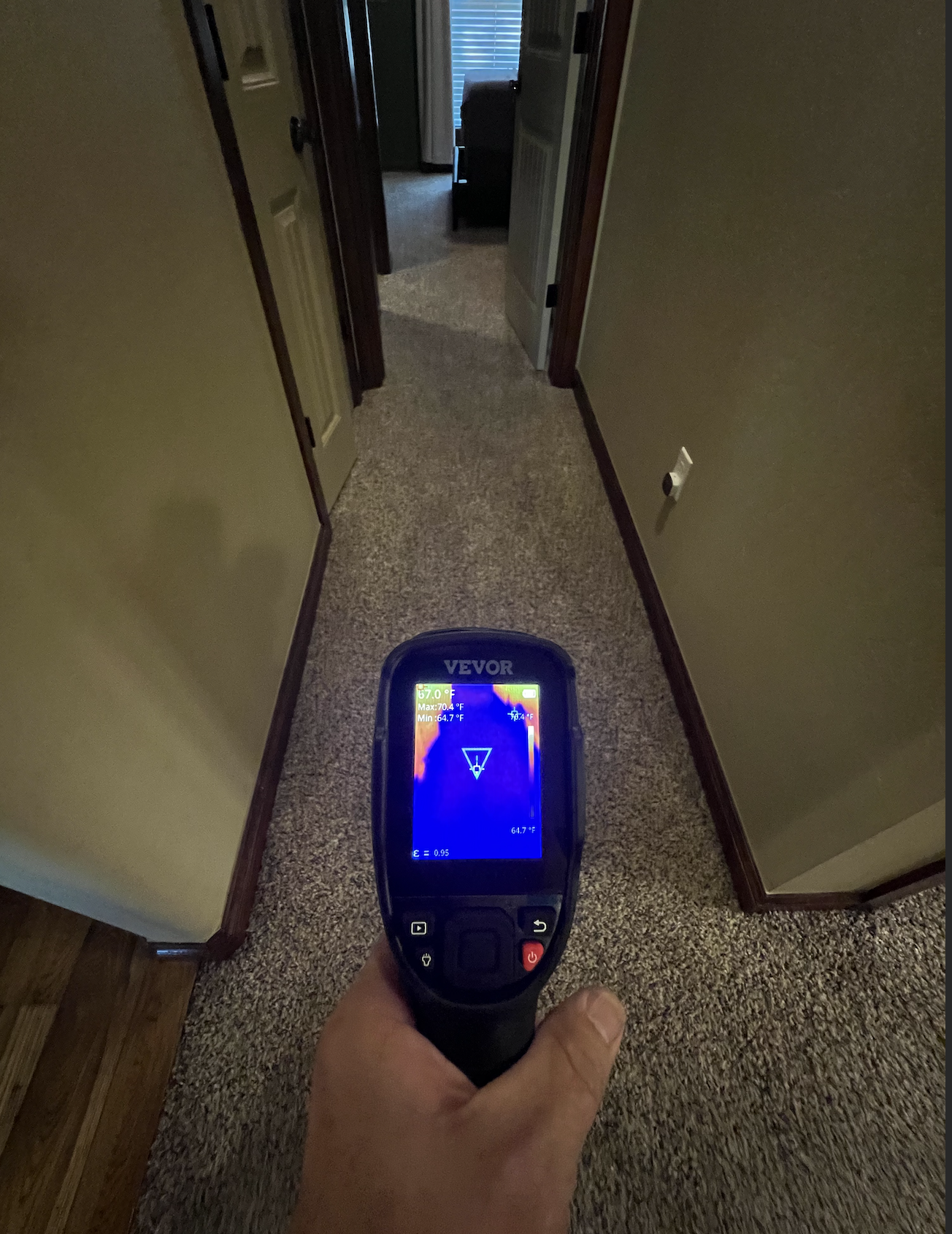
Toilet Overflow
Overflow water can move under flooring and behind baseboards.
Toilet overflow cleanup →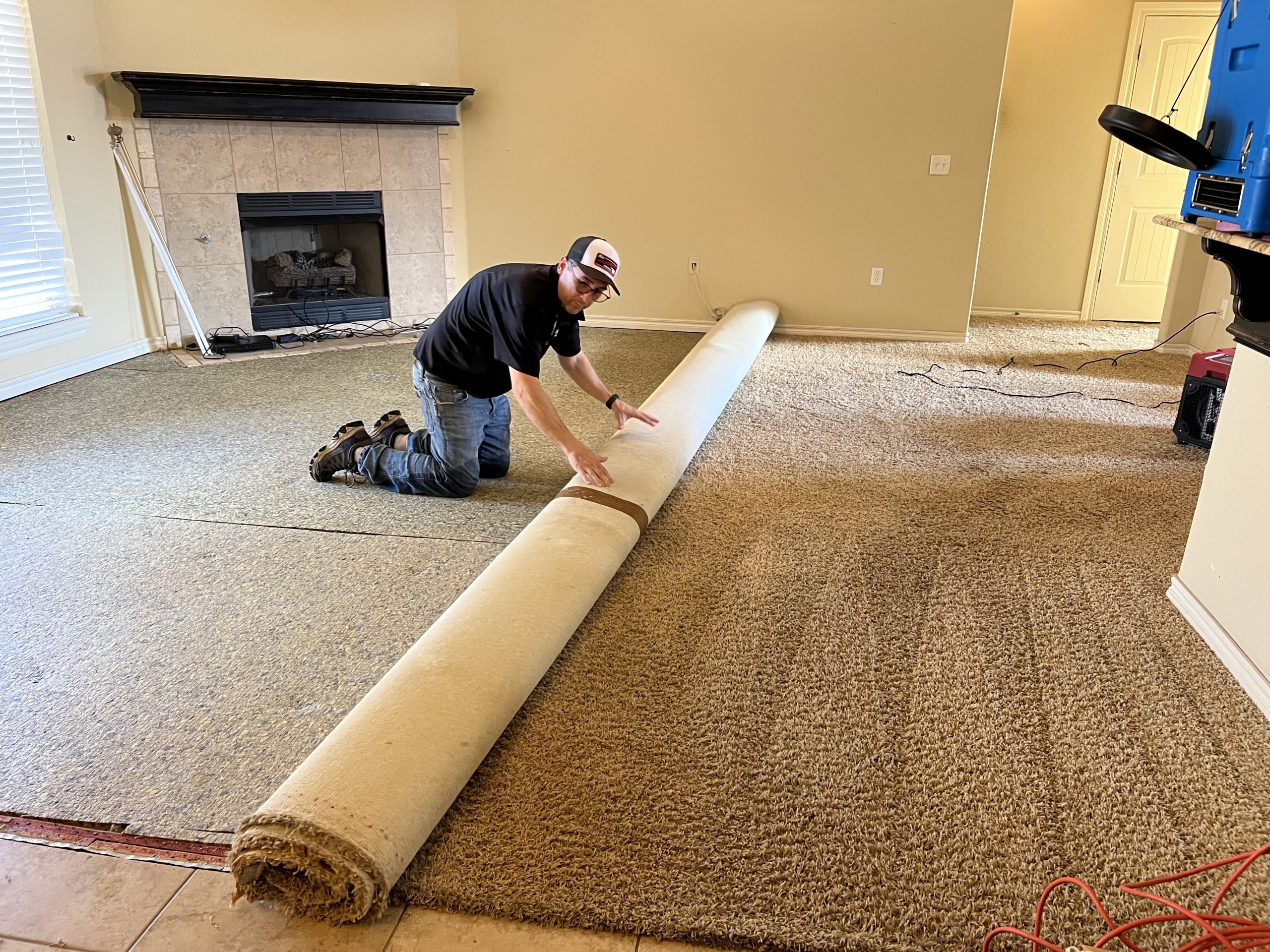
Washing Machine Leak
Hose failures and overflows often soak subfloors and adjoining rooms.
Washing machine cleanup →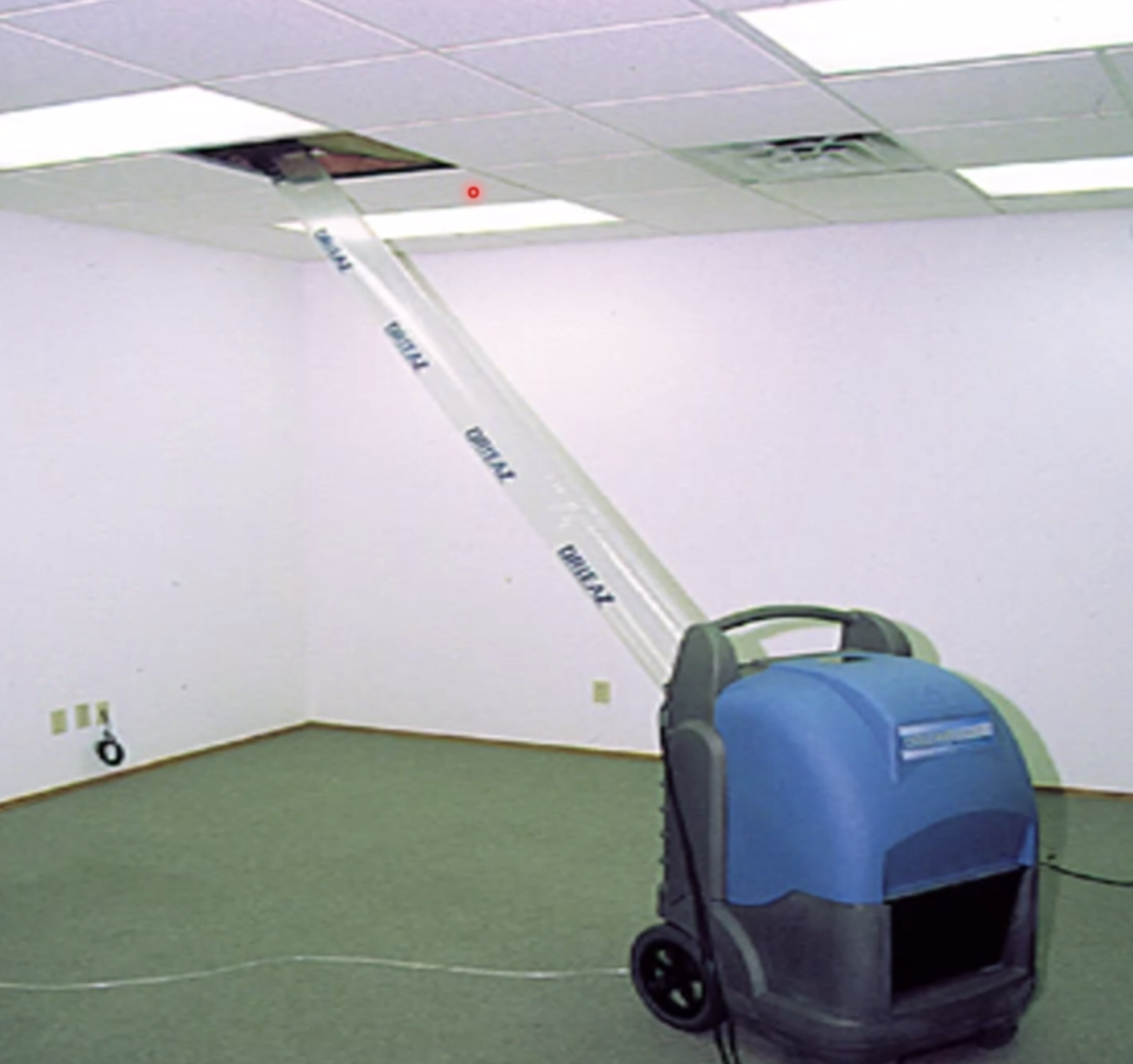
HVAC Unit Leak
Condensate failures can saturate insulation, ceilings and wall bays.
HVAC water leak damage →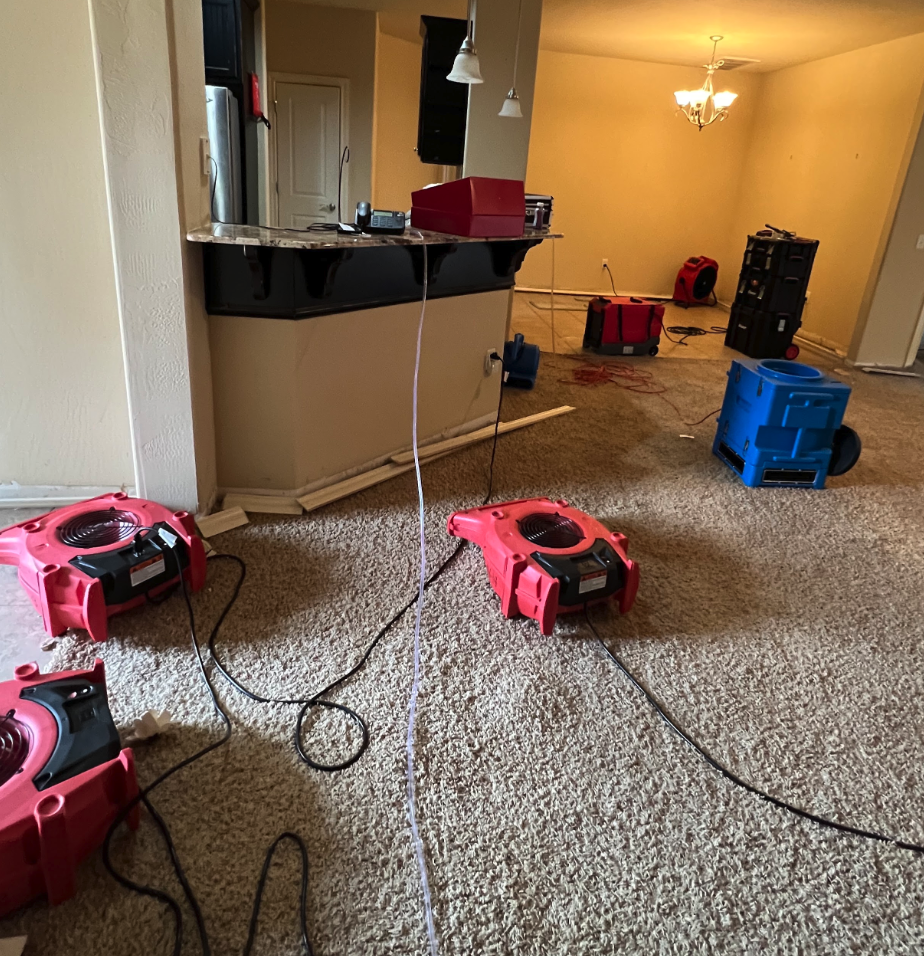
Wet Carpet
Water can move through carpet and pad into the subfloor beneath.
Wet carpet extraction →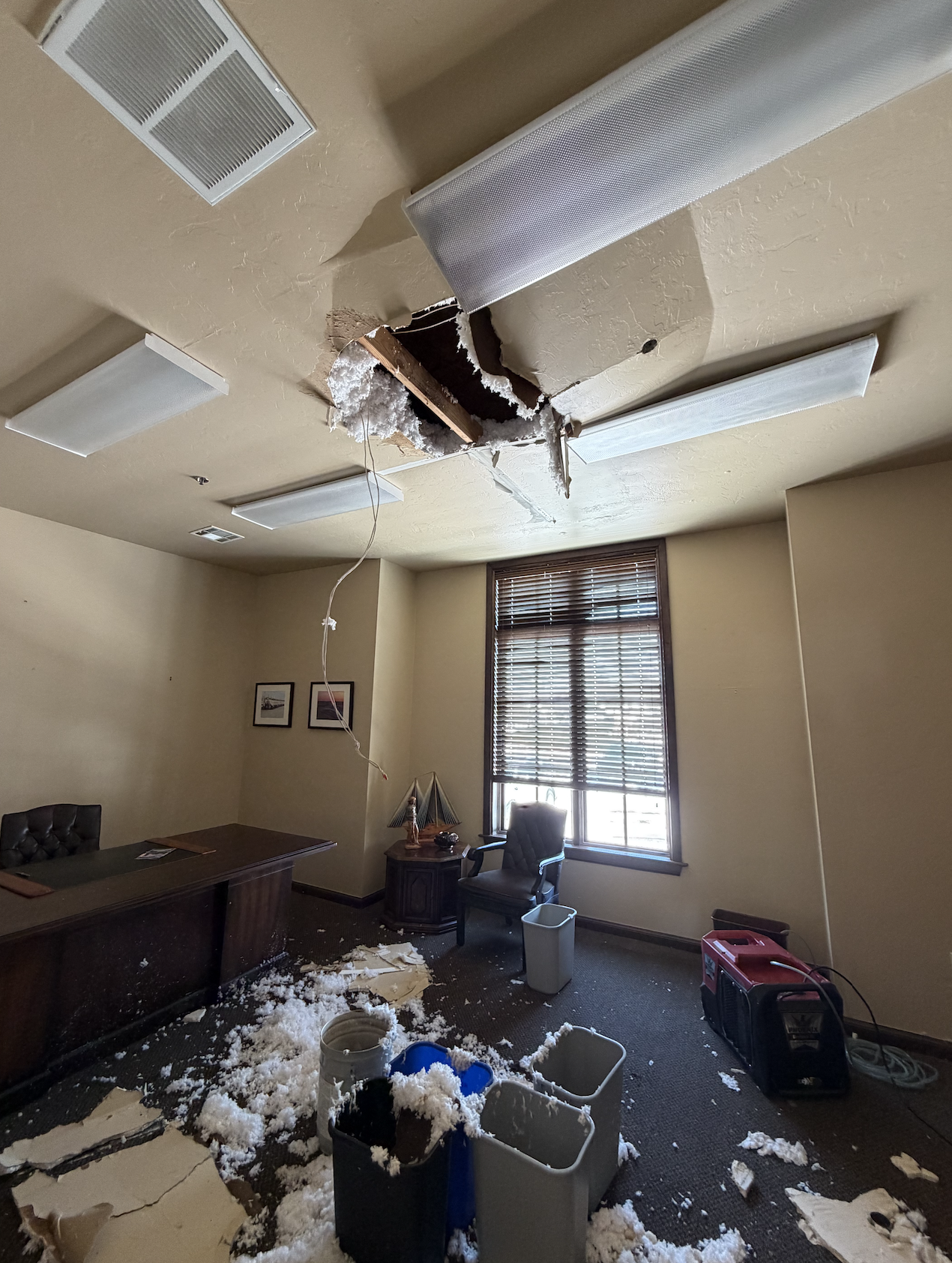
Commercial Water Damage
Commercial losses need fast stabilization, documentation and verified drying.
Commercial water damage →
The Visible Puddle Is Only Part of the Loss
Water can travel into materials and spaces you cannot see from the surface.
Common Areas That Require Verification
Emergency Structural Drying Should Be Measured, Not Guessed
Proper drying uses extraction, airflow, dehumidification and monitoring together. Equipment should be matched to the materials and actual moisture load.
What We Monitor
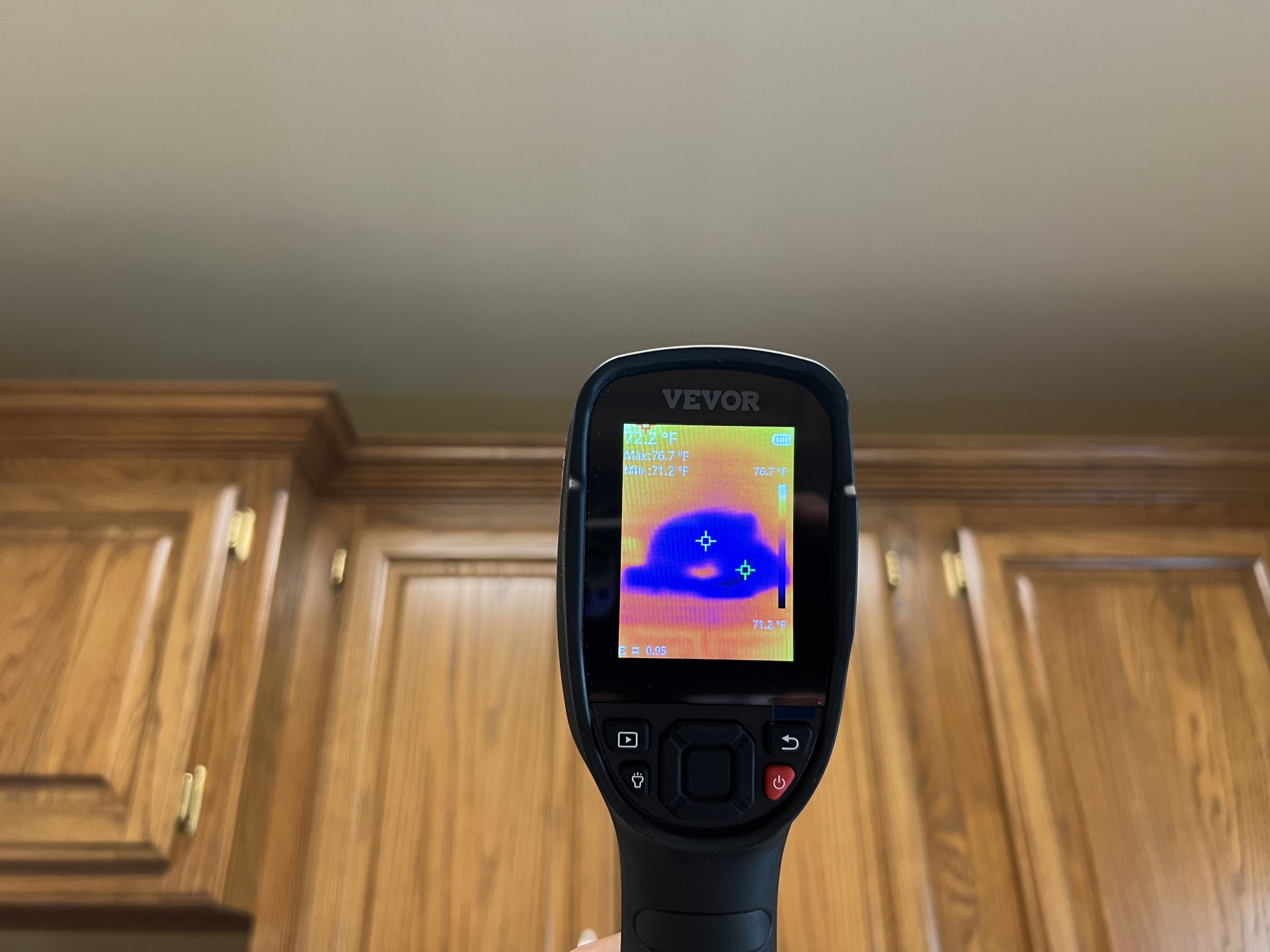
Material Moisture
Readings help show whether drywall, wood and other materials are moving toward the drying goal.
Environmental Conditions
Temperature and relative humidity influence evaporation and dehumidification performance.
Drying Progress
Monitoring allows airflow and equipment placement to be adjusted as conditions change.
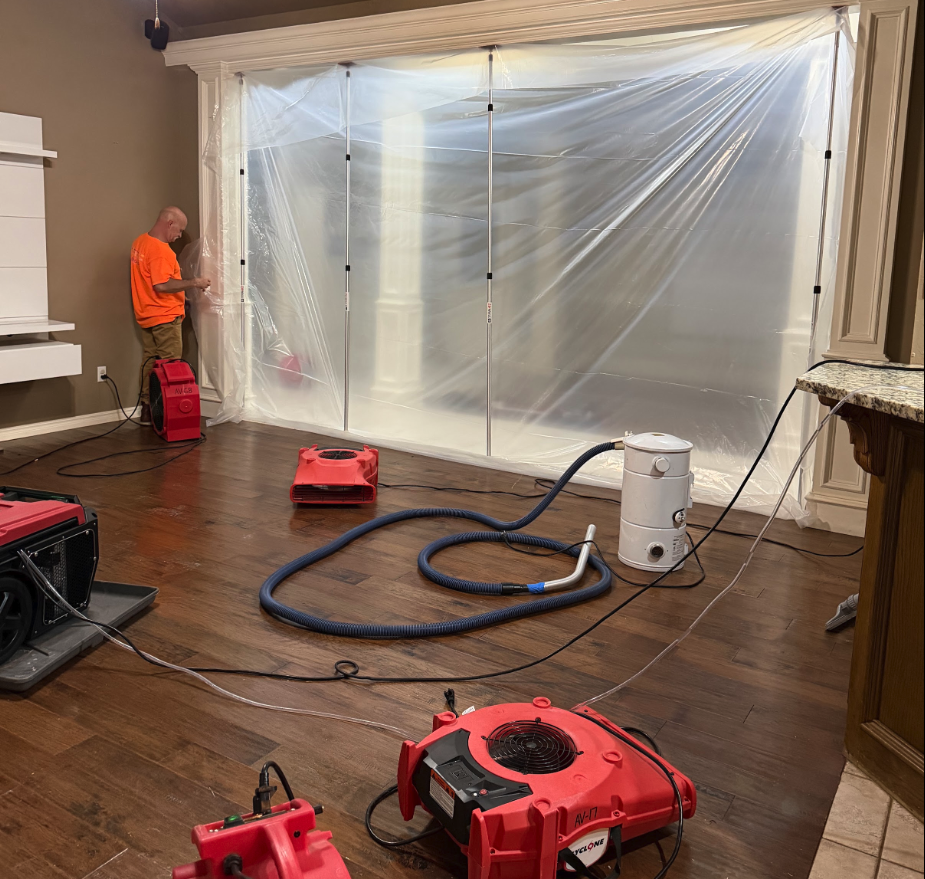
Active Water? Wet Walls? Soaked Flooring? Call Now.
If it is safe, stop the water source and stay clear of electrical hazards. Then call for emergency water extraction and controlled drying.